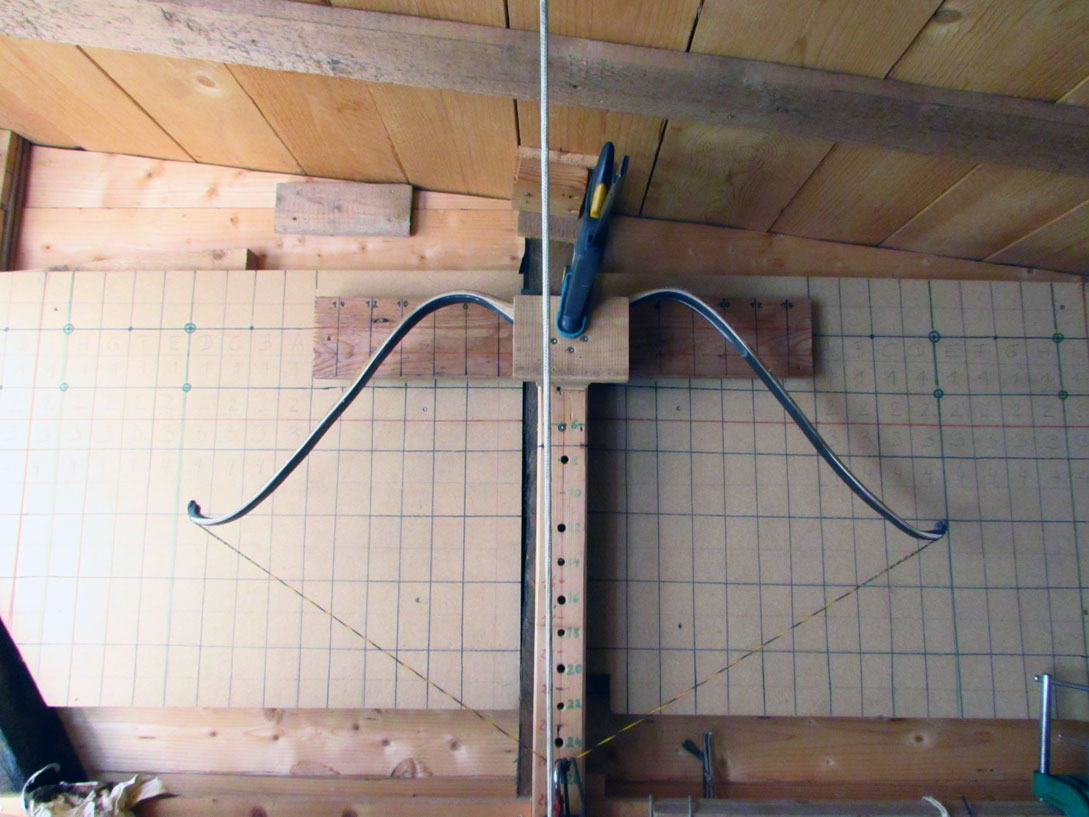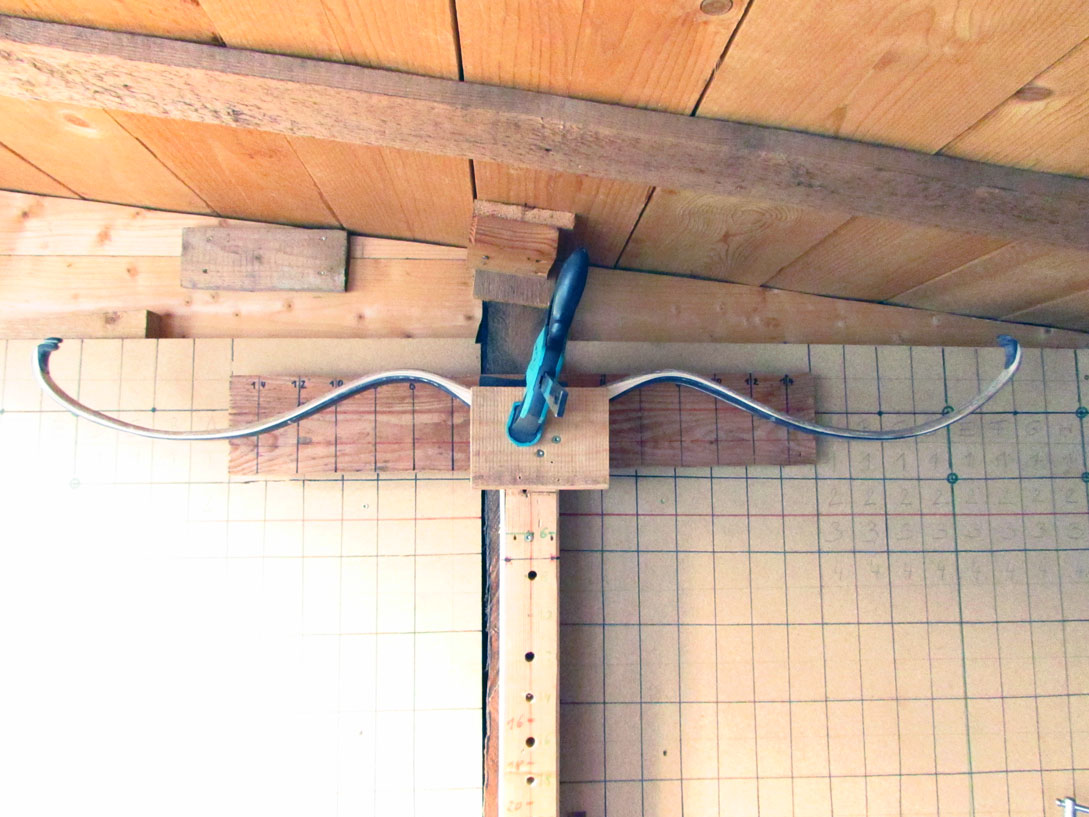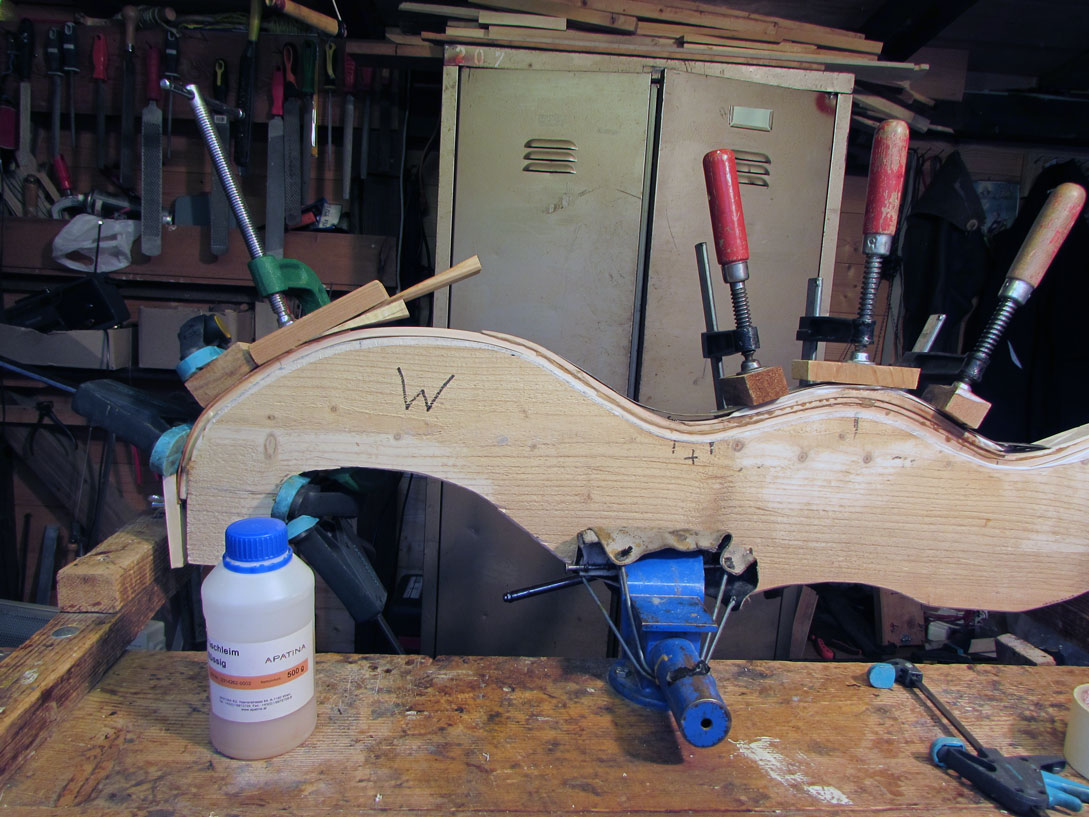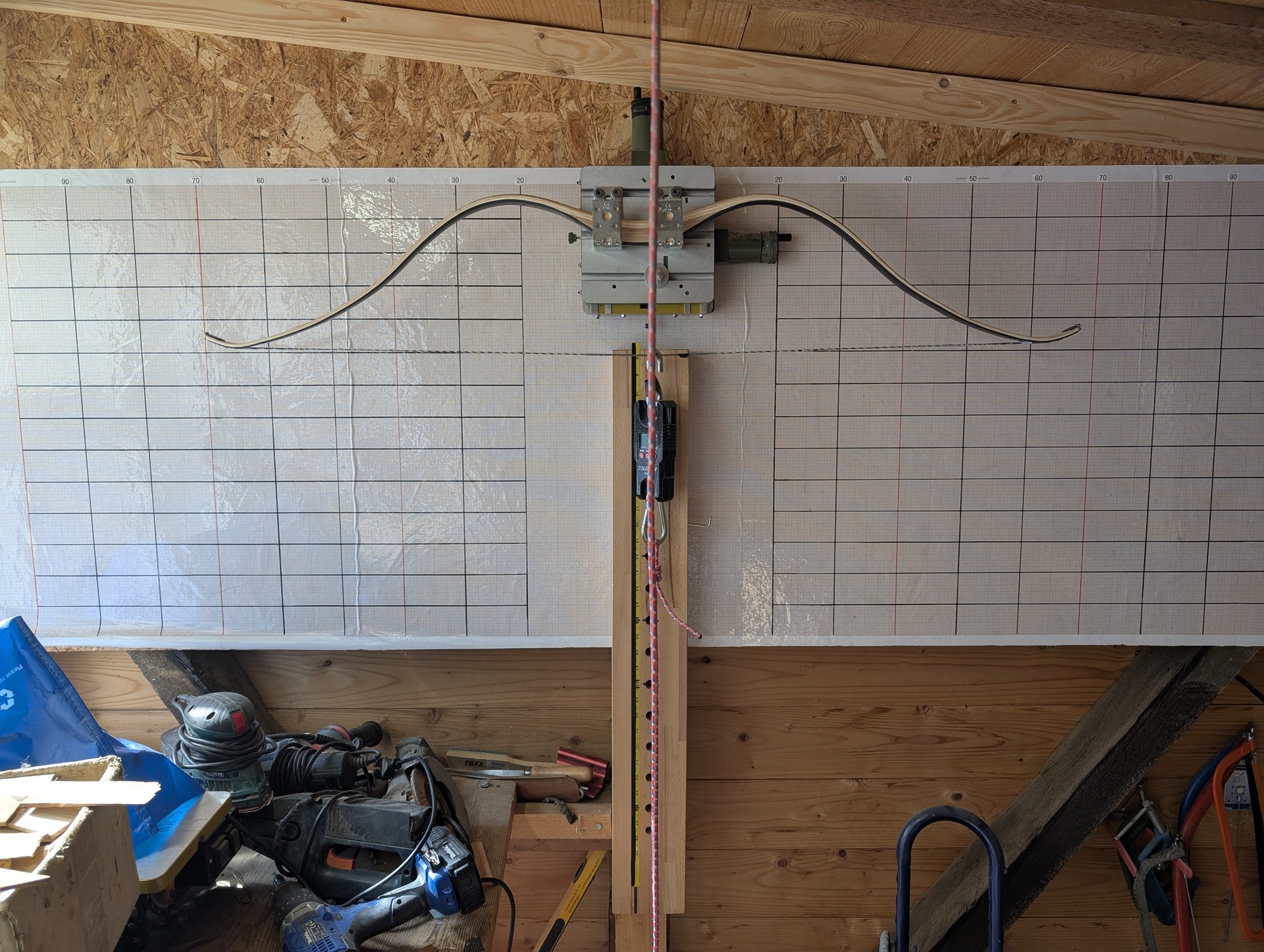







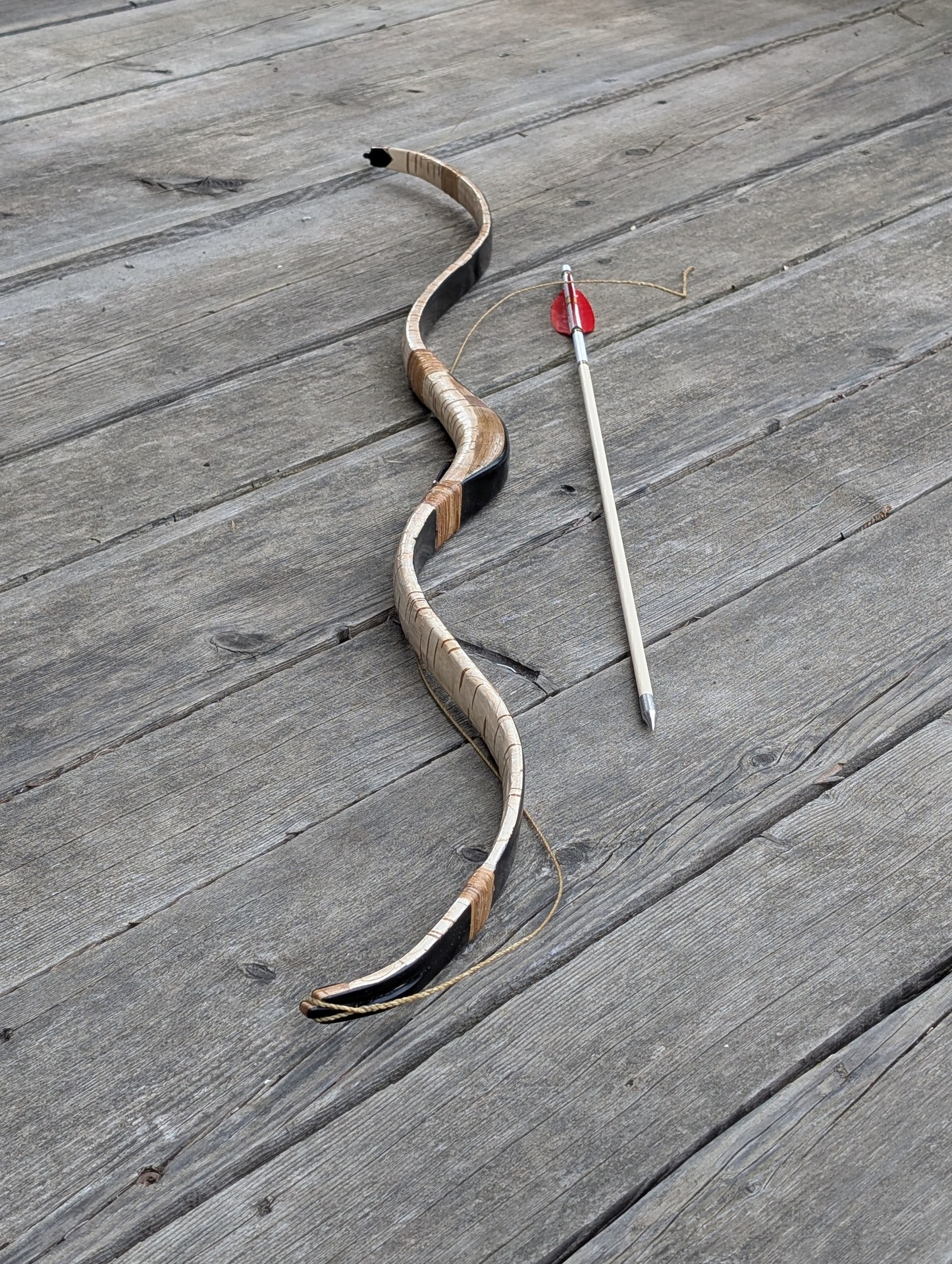
Scythian bow
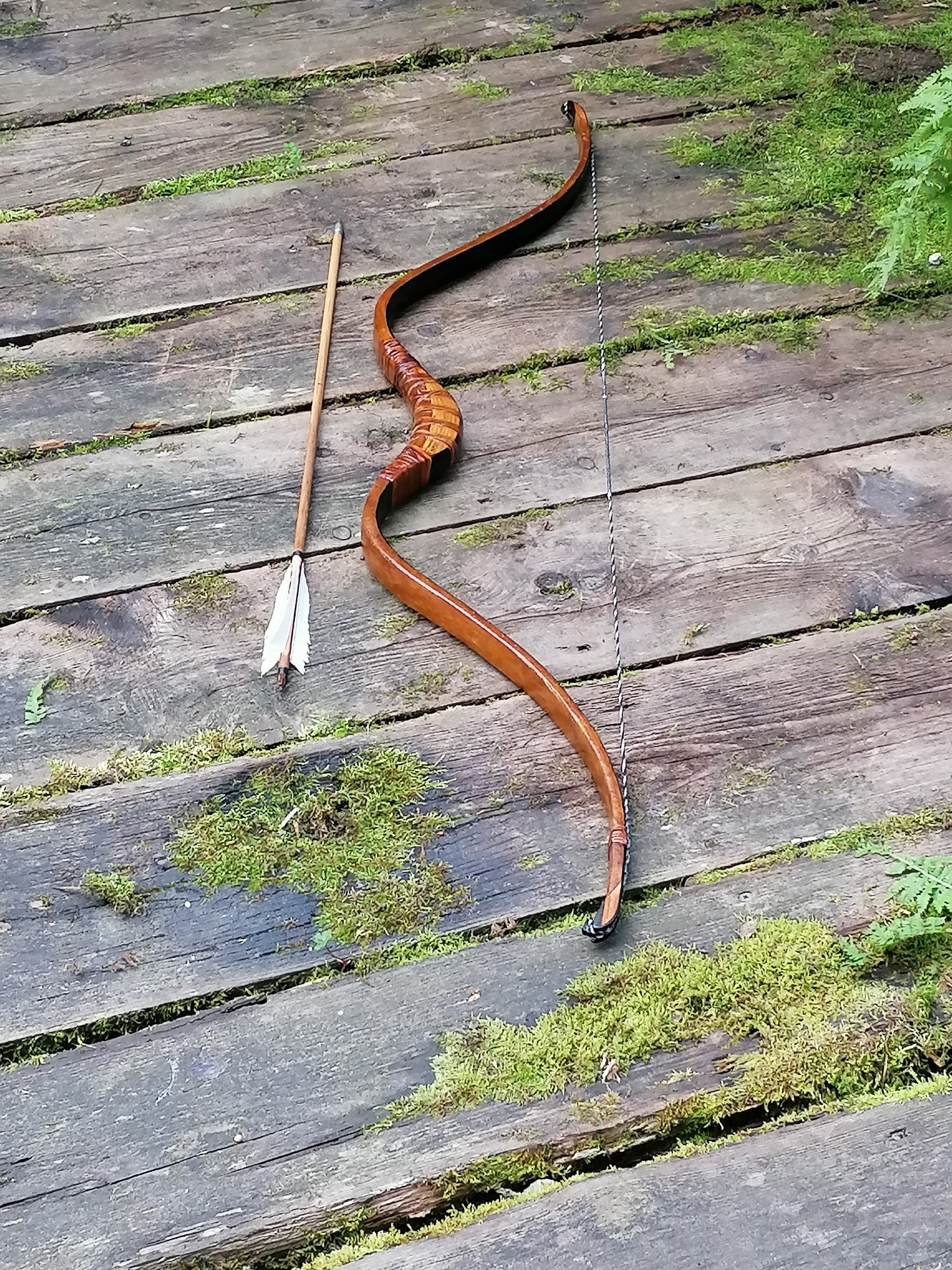
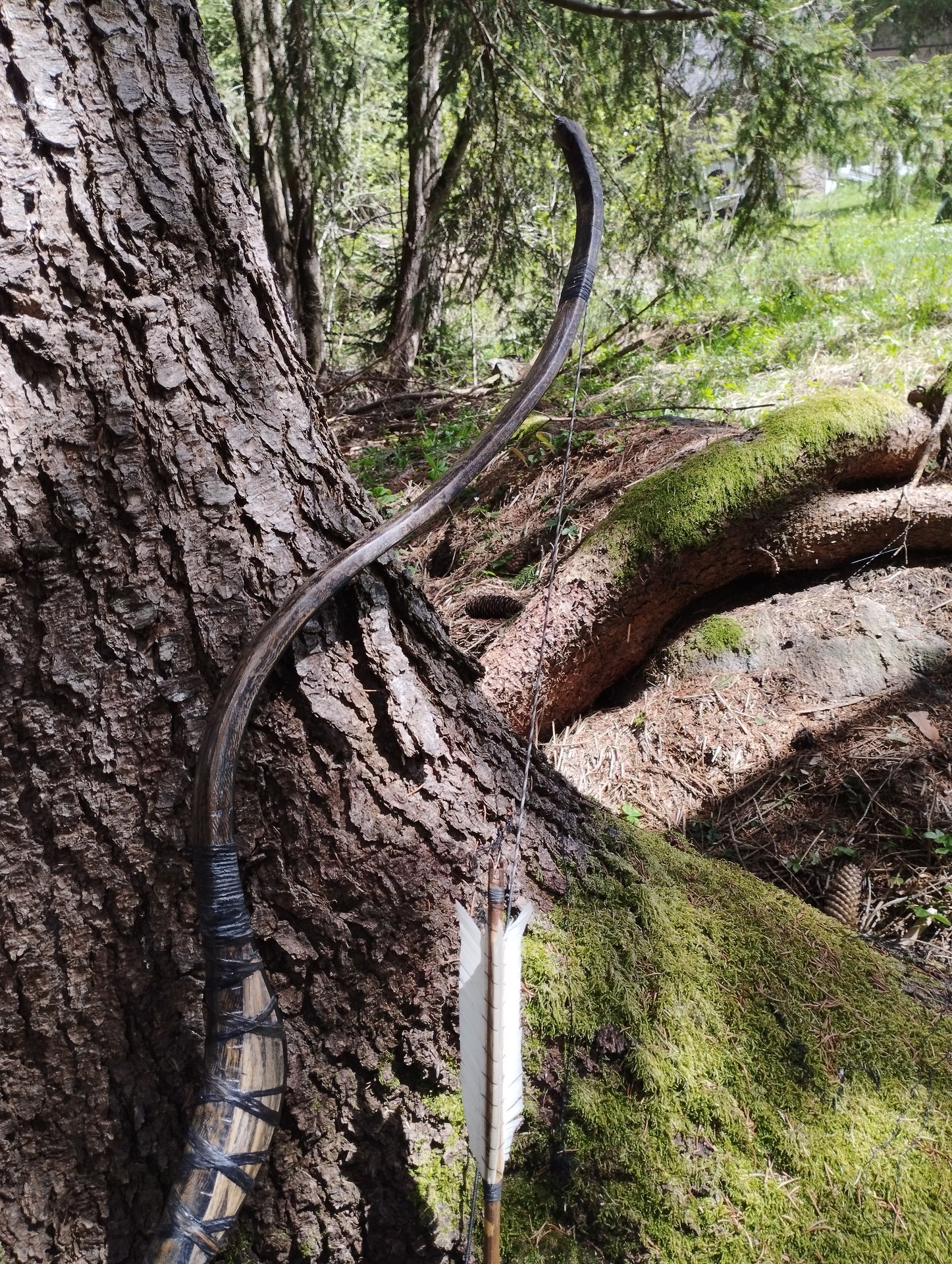
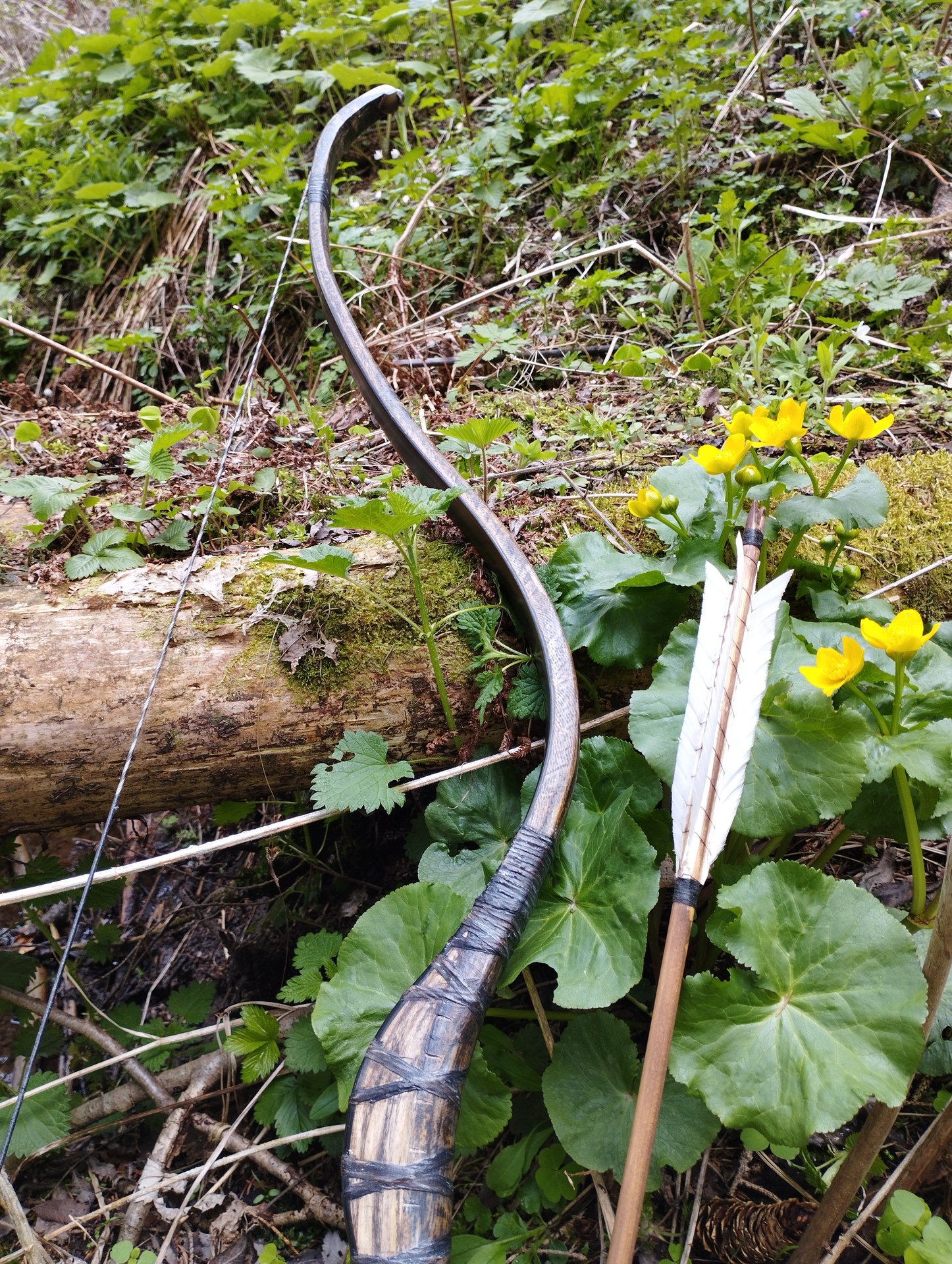
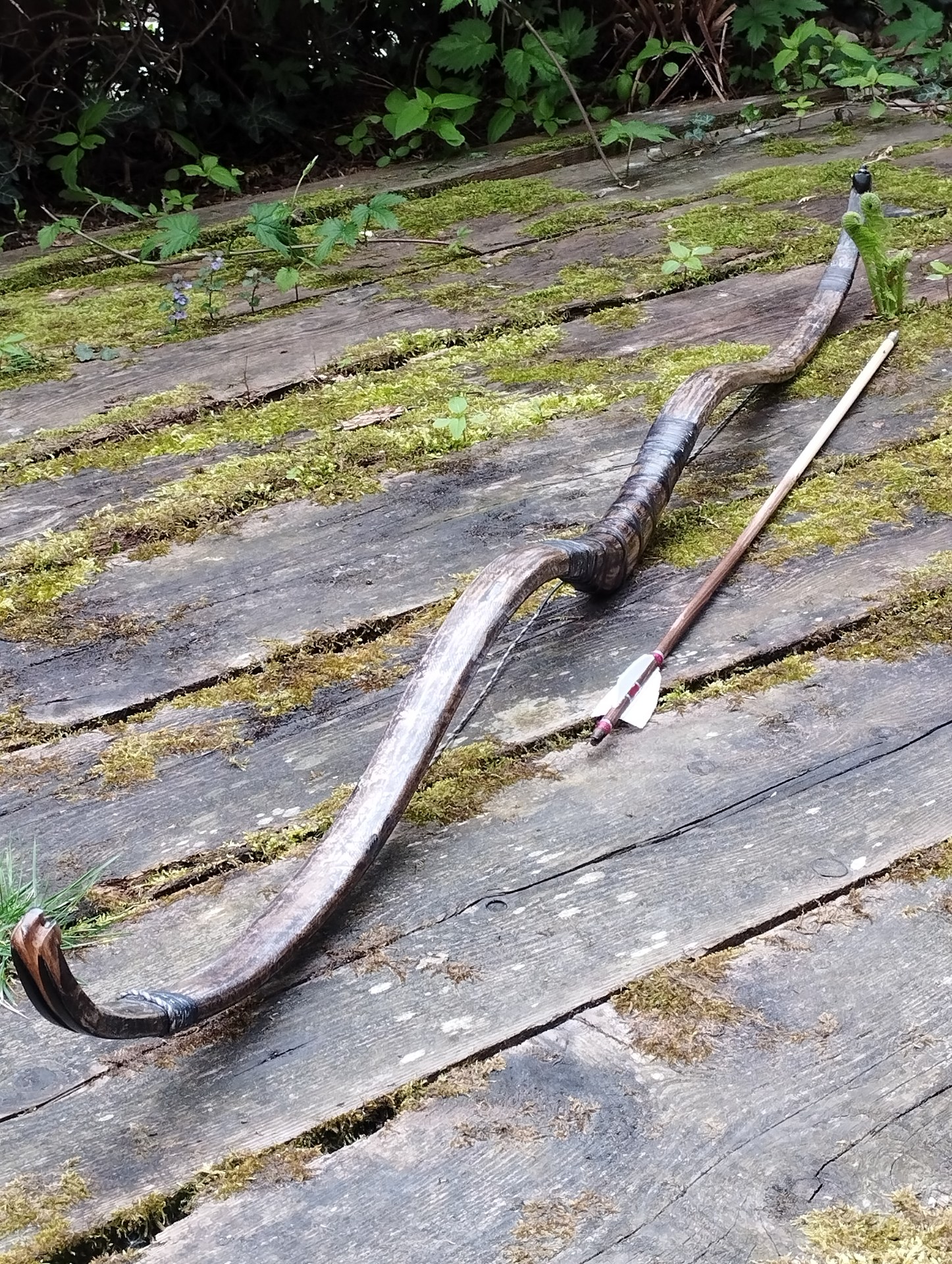
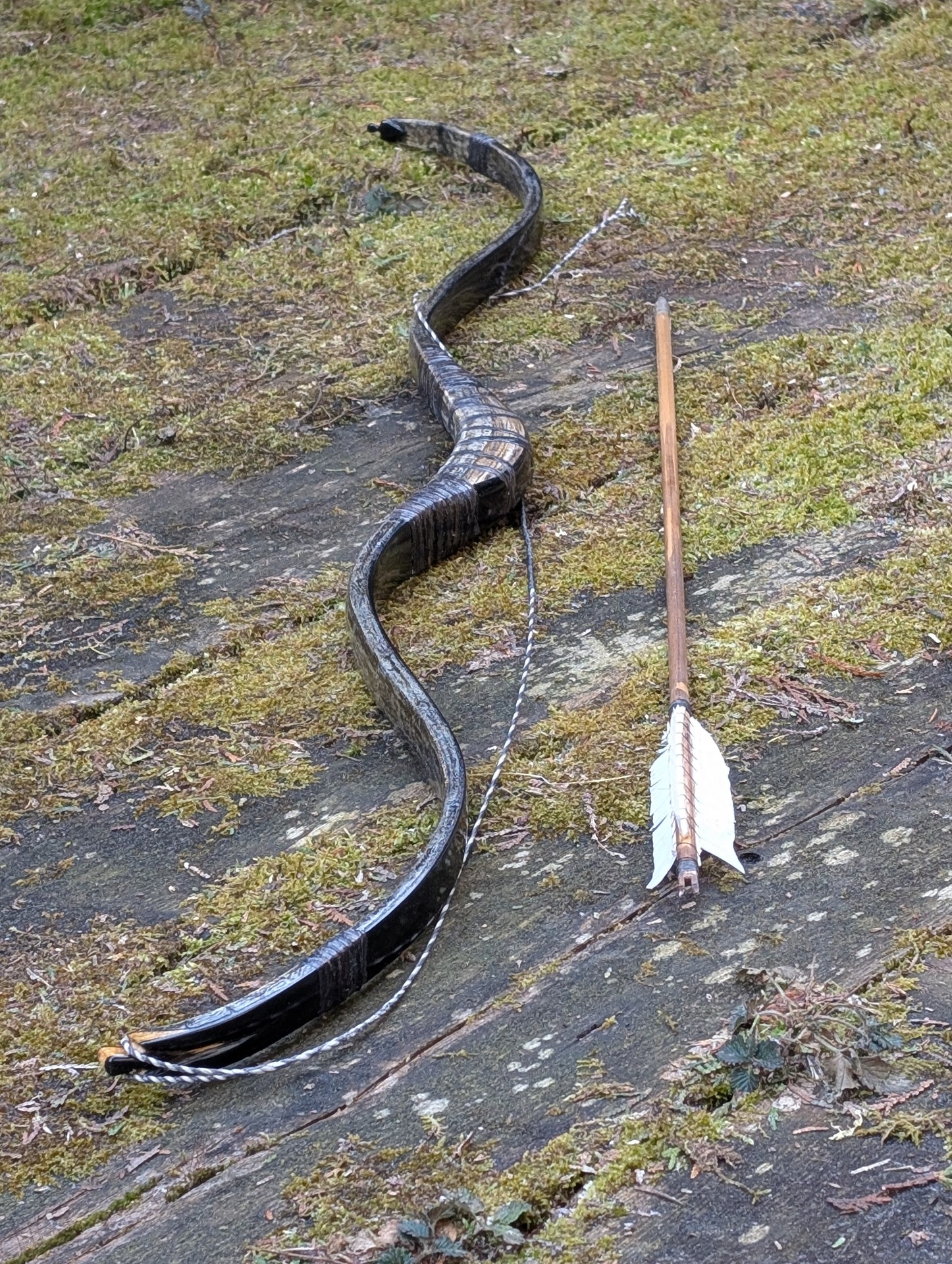
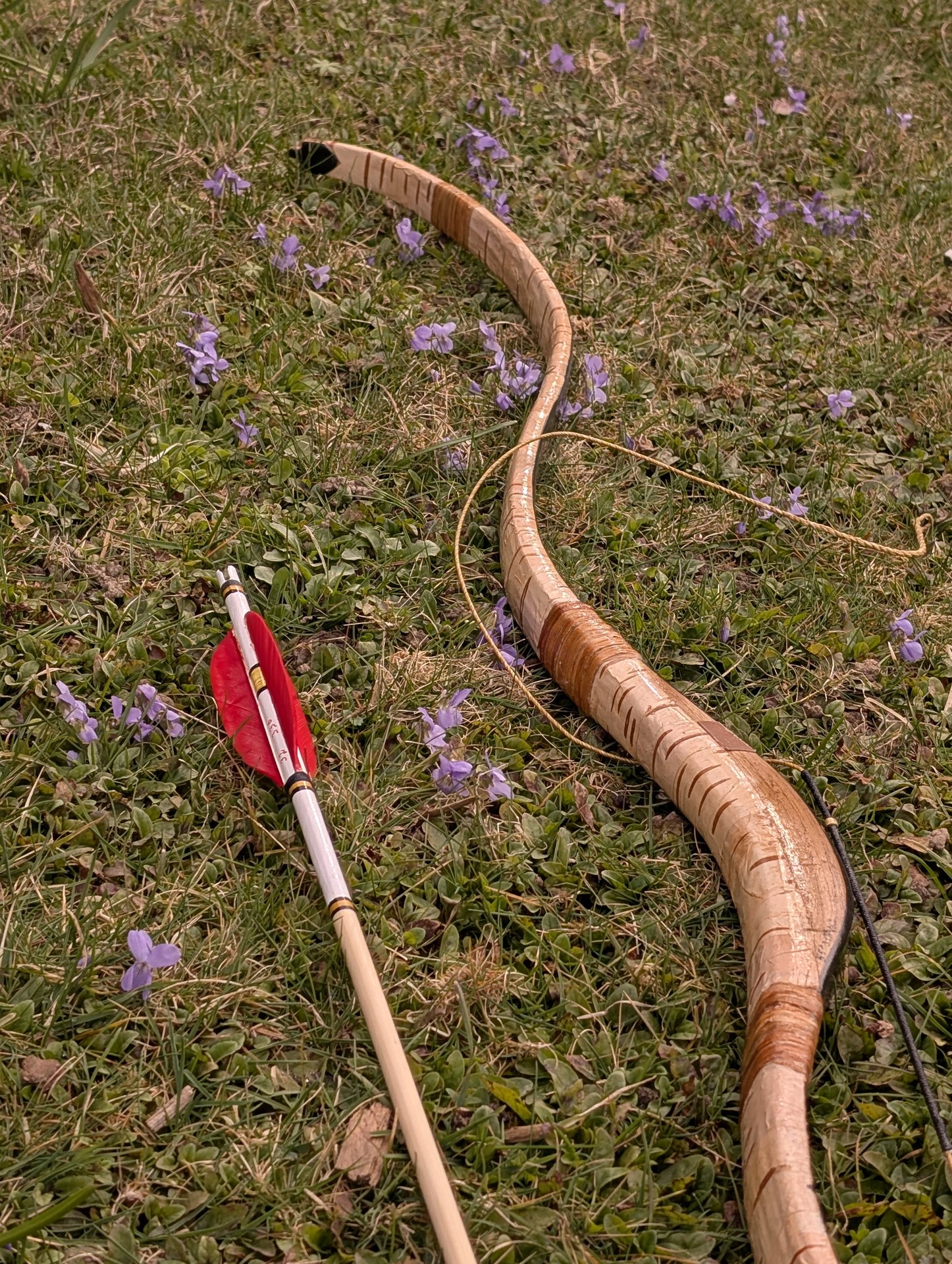
Scythian mounted archers were legendary even in antiquity, and their bow became a myth. This distinctive deflex-reflex design continues to inspire bowyers today.
The Scythians, often described as fair-haired and blue-eyed, extended their influence into Eastern Europe. They were also skilled craftspeople and traders along the Silk Road.
Bows found in graves at Subexi in China (1000–400 BC) and Olon-Kurin-Gol in the Mongolian Altai (around 300 BC) provide models for this composite reconstruction, which is particularly well suited to 3D archery.
A legendary design that lives on
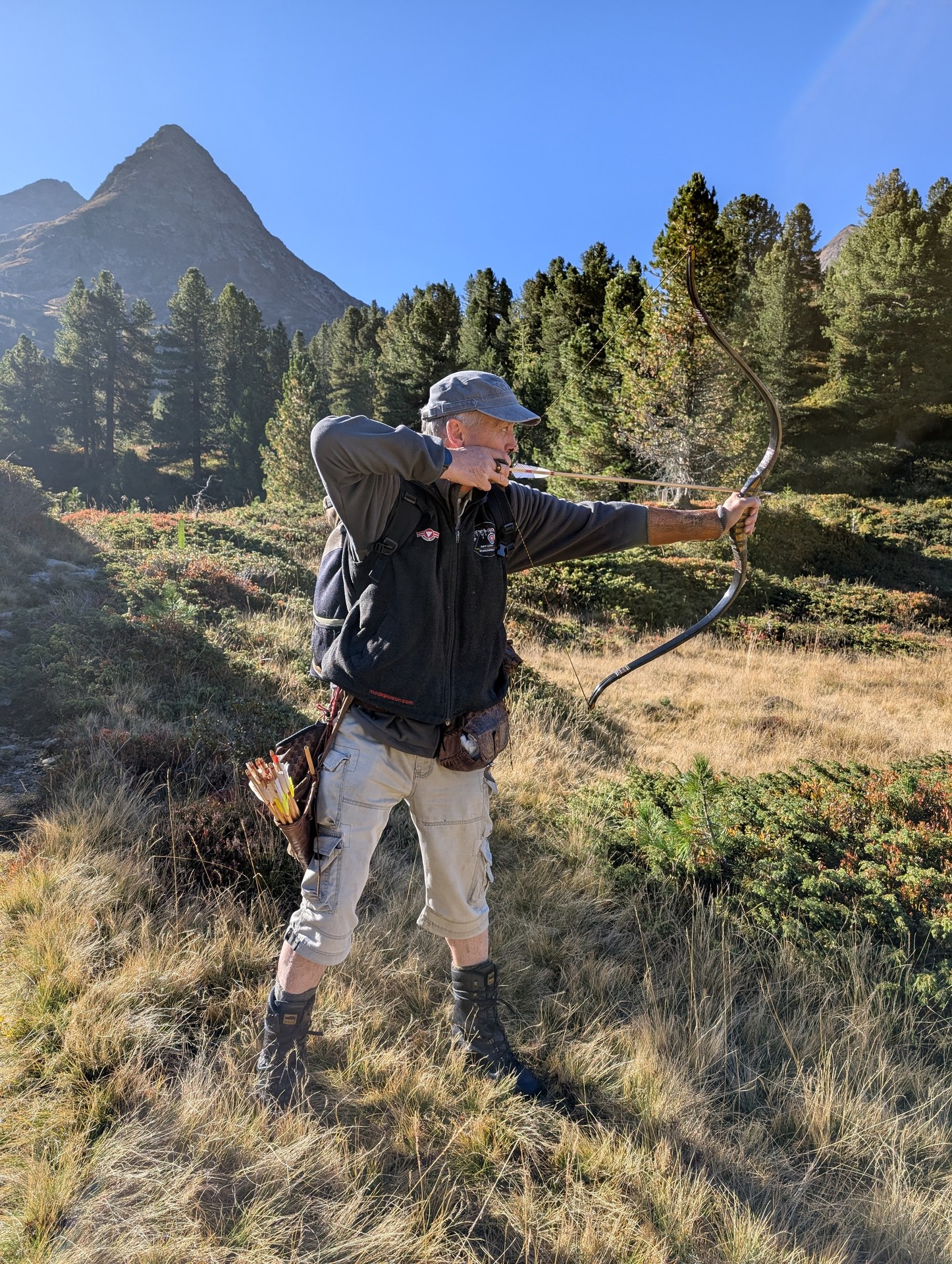
Scythian bow in action – Watch video
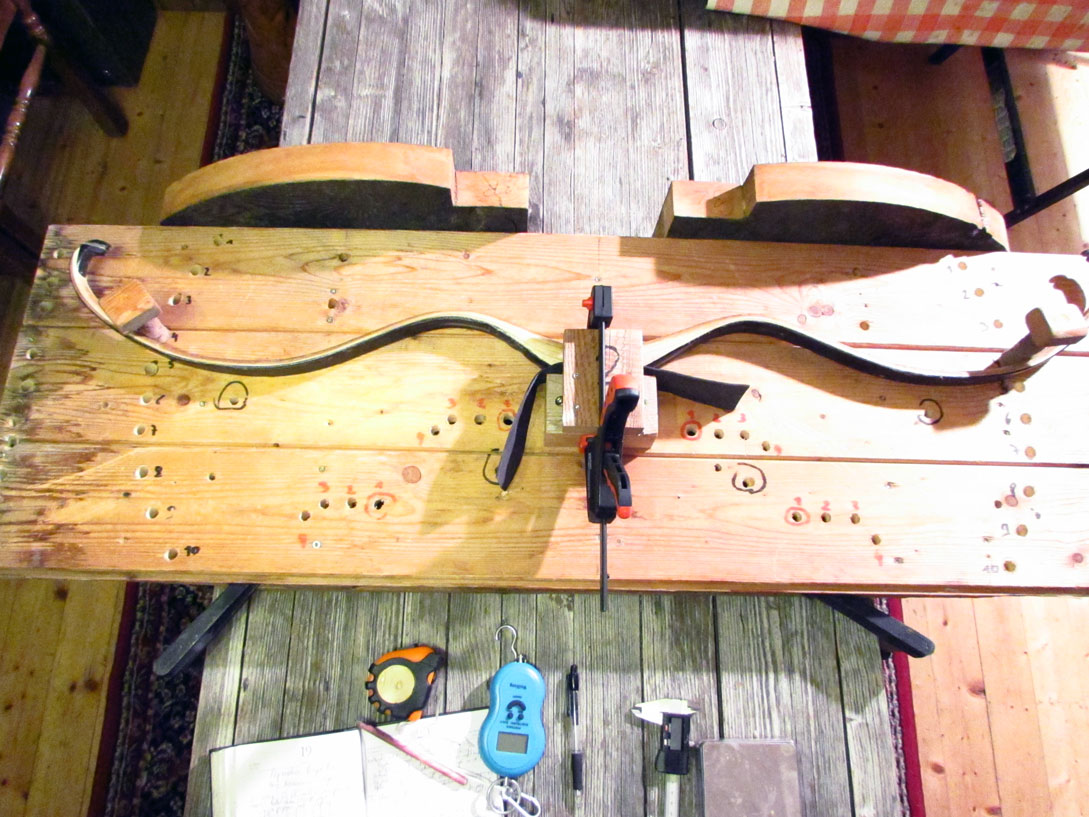
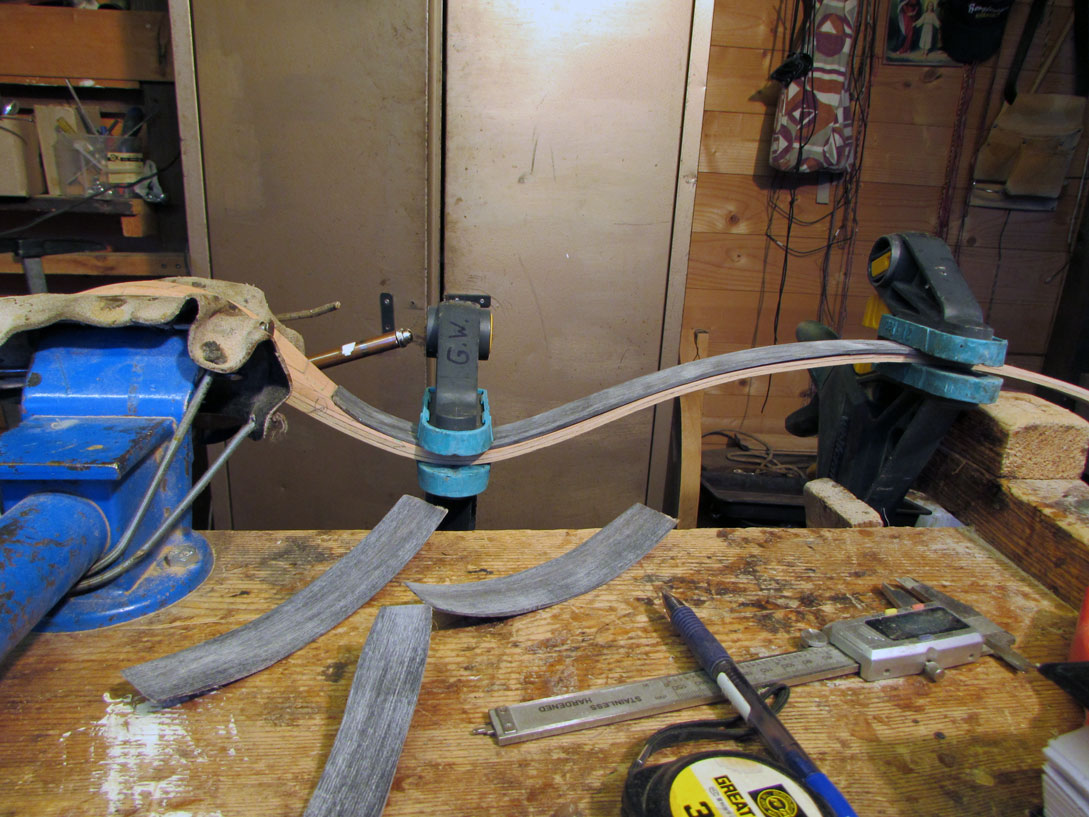
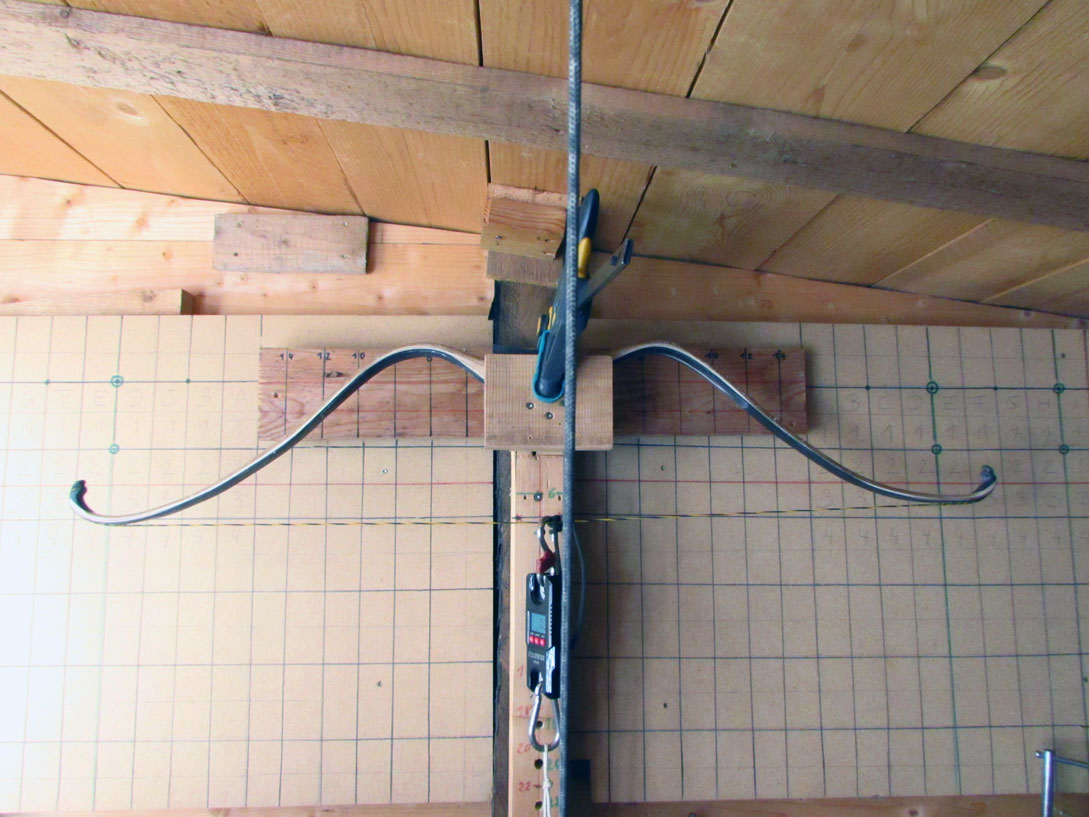
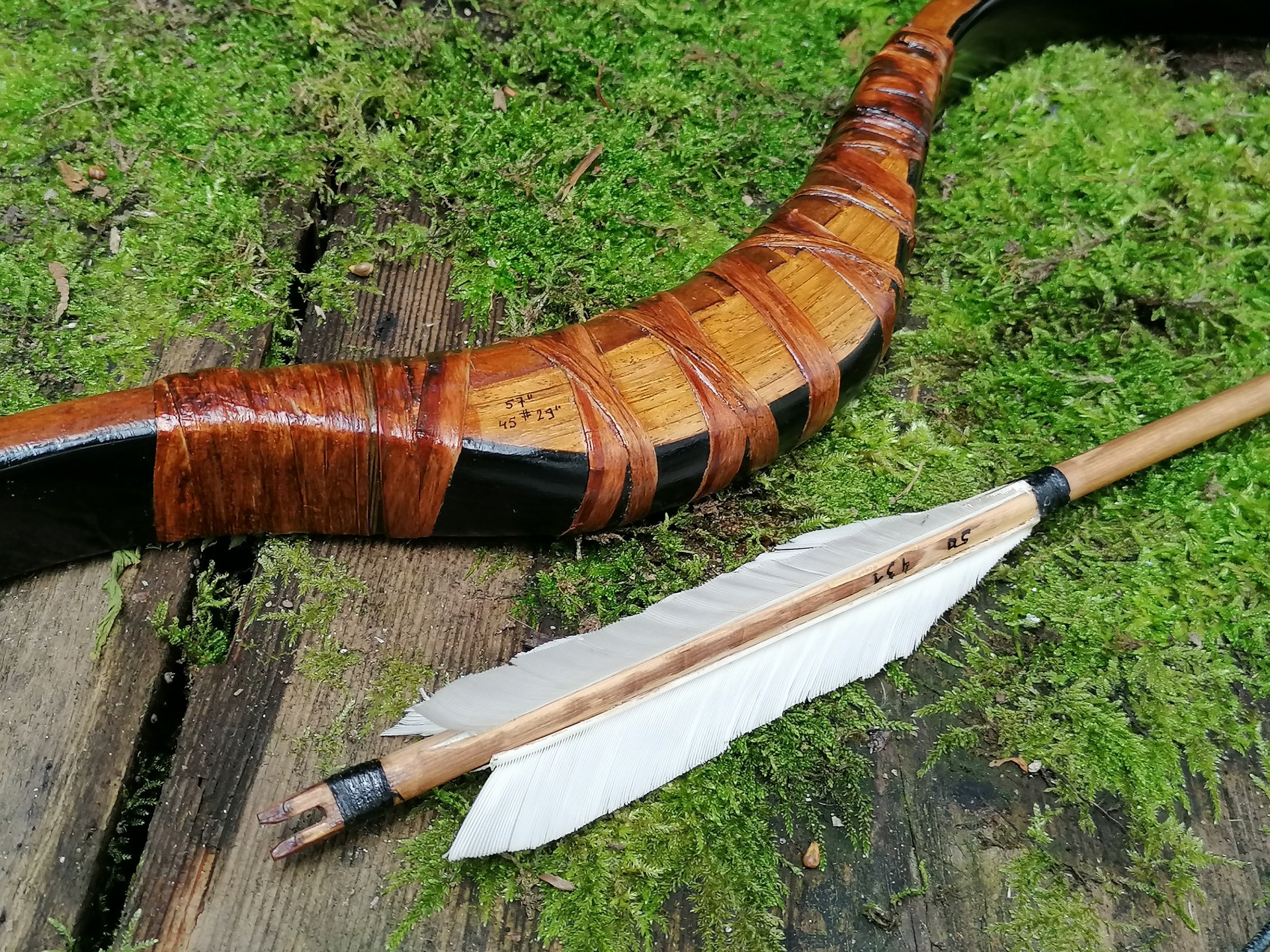
| Features and characteristics | The Scythian bow has a set-back grip, adjoining deflex sections and varying degrees of reflex in the limbs. Its distinctive action comes from the interaction of these sections. As the bow bends, complementary movements share the work of storing and releasing energy. Each section moves only a short distance, resulting in high efficiency even at moderate draw weights. The bow is strung using the step-through method, with the string attached at the outer end of a hooked horn tip. Shooting a Scythian bow is a distinctive experience, and its performance is impressive despite its short length. Both the Mediterranean finger release and thumb-ring technique can be used. |
| Woods | Ash and maple |
| Horn belly | Water buffalo horn |
| Sinew backing | Deer or bull sinew |
| Outer covering | Rawhide or birch bark |
| Length | Made to measure, usually 52–58 inches measured along the curves |
| Draw weight | 30–60 lb |
| Options | Coloured rawhide, painted decoration and bow design adapted to your preferred draw length |
Scythian bow in action
See the Scythian bow in action.